
A Gift Of Time, LLC
Senior Move Managers — Serving Milwaukee & Southeastern Wisconsin for 30 Years
agiftoftime.net · (414) 510-9695 · info@agiftoftime.net · Mon–Fri: 8:00 AM – 6:00 PM
Finances
The Hidden Costs of Delaying a Senior Move (And How to Avoid Them)
Reviewed: August 16, 2026
Reviewed by: Neil E. Wahlberg MD — Internal Medicine Consultant to A Gift Of Time, LLC
The Hidden Costs of Delaying a Senior Move (And How to Avoid Them)
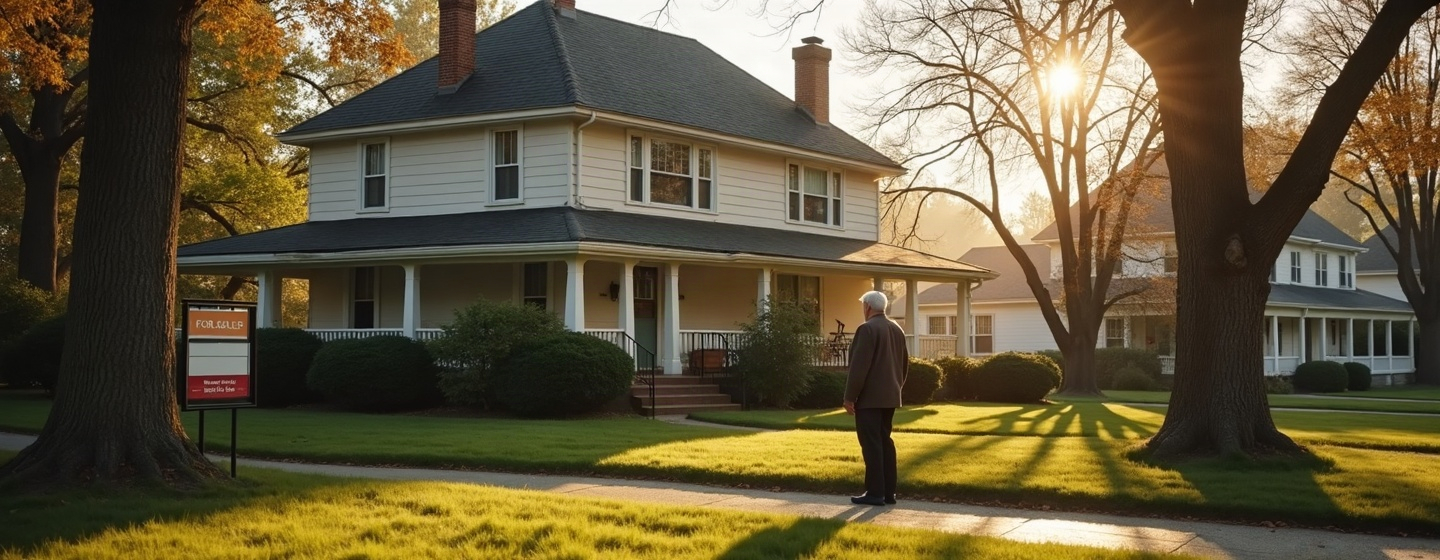
Almost every family we meet has been through it: the move that everyone agrees is necessary, but keeps getting pushed to "next year." The reasons sound reasonable — the holidays, the weather, a grandchild's graduation. But rarely does anyone tally up what the delay is actually costing. The costs of waiting are real, and they are rarely obvious in the moment.
The Ongoing Cost of a House That Is Too Big
A family home that once held five people now holds one. But the bills do not shrink to match. The property taxes, the heating and cooling of unused rooms, the lawn care, the snow removal, the plumbing and roof repairs — all continue month after month, on a house that no longer fits the person living in it.
Then there are the surprise costs: a furnace that fails in January, a roof that needs replacing in the spring, a driveway that needs repaving. These are not optional expenses on a home, but they are expenses that vanish entirely once the home is sold and the senior is settled in a right-sized residence.
The Medical Risk That Waiting Invites
This is the cost that matters most, and the one families least want to think about. A house that was safe at 70 may be dangerous at 82. The stairs, the icy front walk, the bathroom without grab bars — each is a quiet risk that compounds with every passing year.
A single fall often changes the entire conversation. What might have been a planned, dignified move into a chosen community becomes an emergency discharge from a hospital into whatever facility has an open bed. The difference in cost, stress, and outcome is enormous.
Missed Opportunities in Care Pricing
The senior living market does not stand still. Communities adjust their pricing, availability shifts, and the best options do not stay empty forever. Families who tour "just to get a feel for it" and then wait a year often return to find the community they loved has a waitlist — or a higher monthly rate.
Locking in a placement earlier, when options are abundant, gives families the luxury of choosing rather than settling. Waiting often means the choice gets made by circumstance instead of by preference.
The Emotional Toll on Family Caregivers
This cost is rarely put into dollars, but it may be the heaviest of all. When a senior stays in a home that no longer fits, the gap is filled by adult children — the daughter driving across town to check on dad, the son spending weekends on yard work, the constant low-grade worry that never fully turns off.
That quiet caregiving burden has a real cost: missed work, strained marriages, burned-out siblings, and the slow erosion of the parent-child relationship into a caregiver-patient relationship. A planned move can give the family back the thing they most want to preserve — the ability to simply be family again.
The Cost of Crisis vs. the Cost of Planning
There is a reason we urge families to plan rather than react. A planned move is almost always cheaper — financially and emotionally — than a crisis move. Planned moves allow for sorting, downsizing, selling the home at its best, and choosing the right community. Crisis moves mean hurried decisions, higher costs, and less control.
- A planned move lets you sell the home on your timeline, not under pressure
- A planned move lets you downsize deliberately, deciding what is kept, gifted, and sold
- A planned move lets your parent choose the community, rather than take whatever is available
- A planned move preserves dignity and agency at the moment they matter most
How to Break Out of "Maybe Next Year"
The way out of the delay cycle is not more pressure. It is information. Uncertainty is what keeps families frozen. Once the options, costs, and steps are laid out clearly, the decision becomes easier to make — and the momentum takes over.
- Start with a no-obligation tour of one or two communities — it replaces fear with reality
- Get a clear picture of what the current home actually costs to maintain each year
- Talk to a senior move manager about the full scope of a planned move
- Involve the senior's physician so the medical reality informs the timeline
References
- 1.AARP. Staying Put or Moving: What Is Right for You? https://www.aarp.org/caregiving/basics/info-2018/moving-aging-parents.html
- 2.National Association of Senior Move Managers. Consumers. https://www.nasmm.org/consumers/
If your family has been stuck in "maybe next year," a conversation with our team can replace uncertainty with a clear plan.
Contact UsPrefer a PDF? Download the PDF at agiftoftime.net/blog/hidden-costs-of-delaying-senior-move
Was this article helpful?
Found this helpful? Share or save it.(Keyboard Shortcuts)Keyboard ShortcutsFToggle favoriteSShare / Copy linkPPrint articleDDownload PDFTScroll to topBBack to blog
Sign Up for a Resource — or New Blog Articles
Pick a resource or pick blog articles — new articles on downsizing, senior move planning, caregiving, and Milwaukee-area senior resources. We'll send you our most recent articles right away, so you're caught up.
Related Resources
Hand-picked checklists and guides that pair with this article.
Senior Living Cost Comparison Worksheet
Side-by-side cost breakdown across communities — fees, care add-ons, and hidden costs.
Financial Benefits & Aid Eligibility Checklist
Wisconsin-specific: Medicaid, Family Care, IRIS, VA Aid & Attendance, and more.
Family Home Decision Guide
Sell, rent, or keep the family home? A framework and printable worksheet to decide together.
Other Blog Articles
More guides from our senior move specialists.
A Gift of Time
Senior Move Managers | Milwaukee & Southeastern Wisconsin
For over 30 years, the Wahlberg family has helped seniors and their families navigate moves with compassion, expertise, and care. NASMM certified, BBB A+ rated and fully bonded and insured. We serve communities throughout Southeastern Wisconsin.